


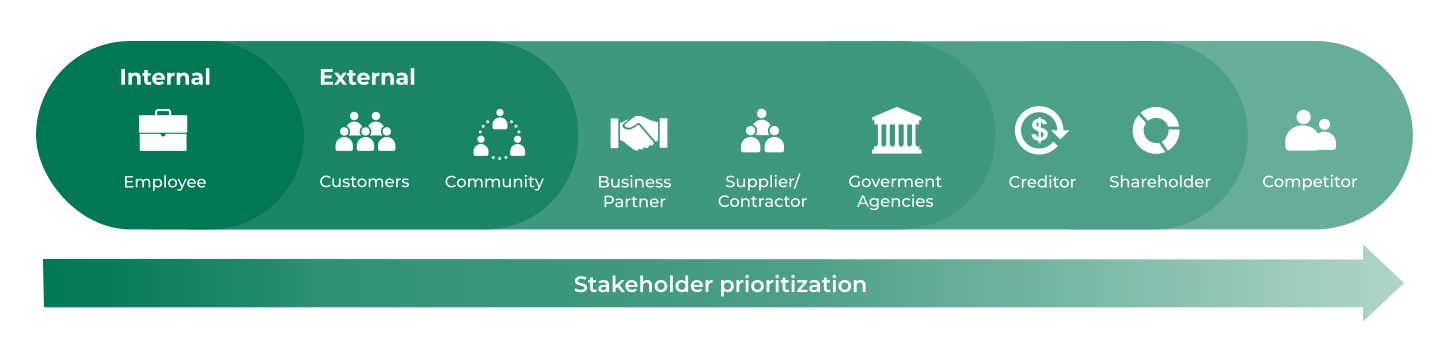
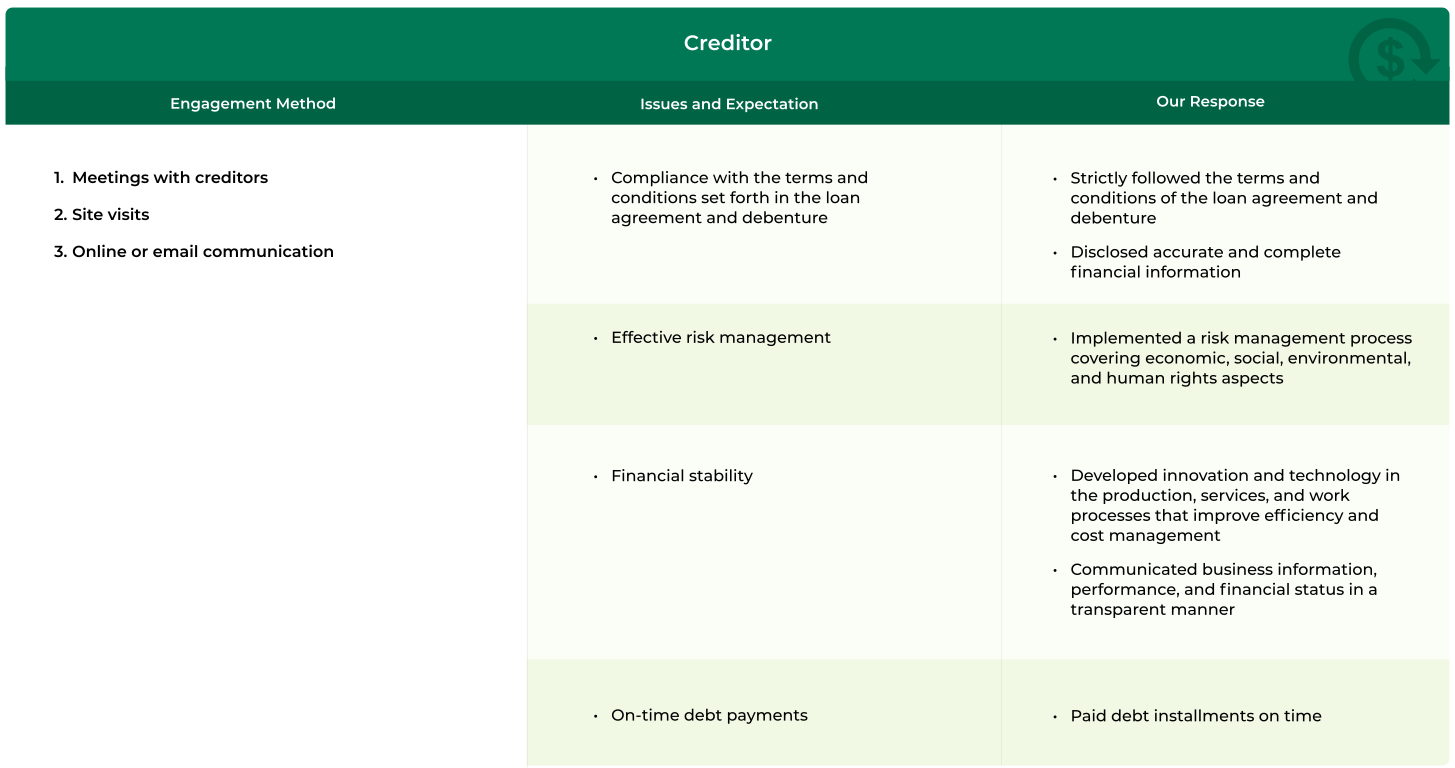
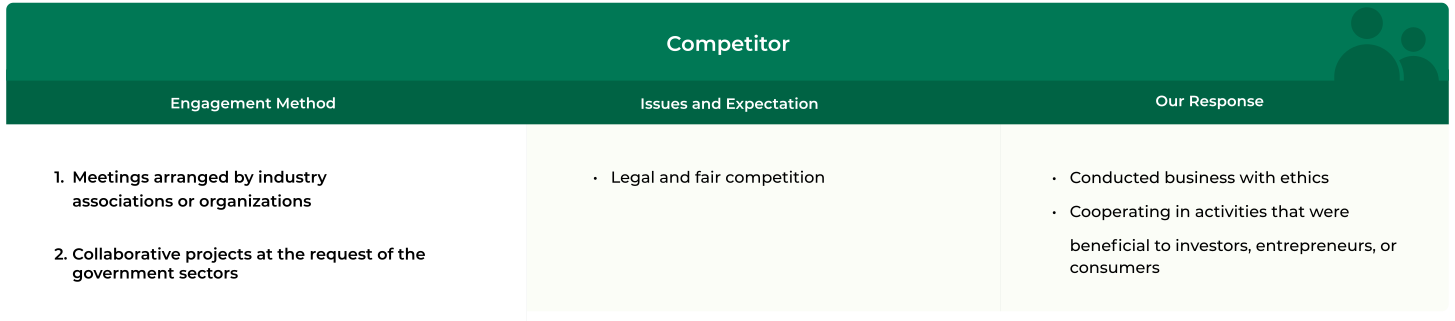
The Company identifies and categorizes stakeholders based on the impact of its operations across economic, social, environmental, and human rights dimensions, as well as the level of stakeholder interest and influence on the Company. This process informs the development of stakeholder engagement strategies, ensuring effective communication and tailored action plans for each stakeholder group, as outlined below.
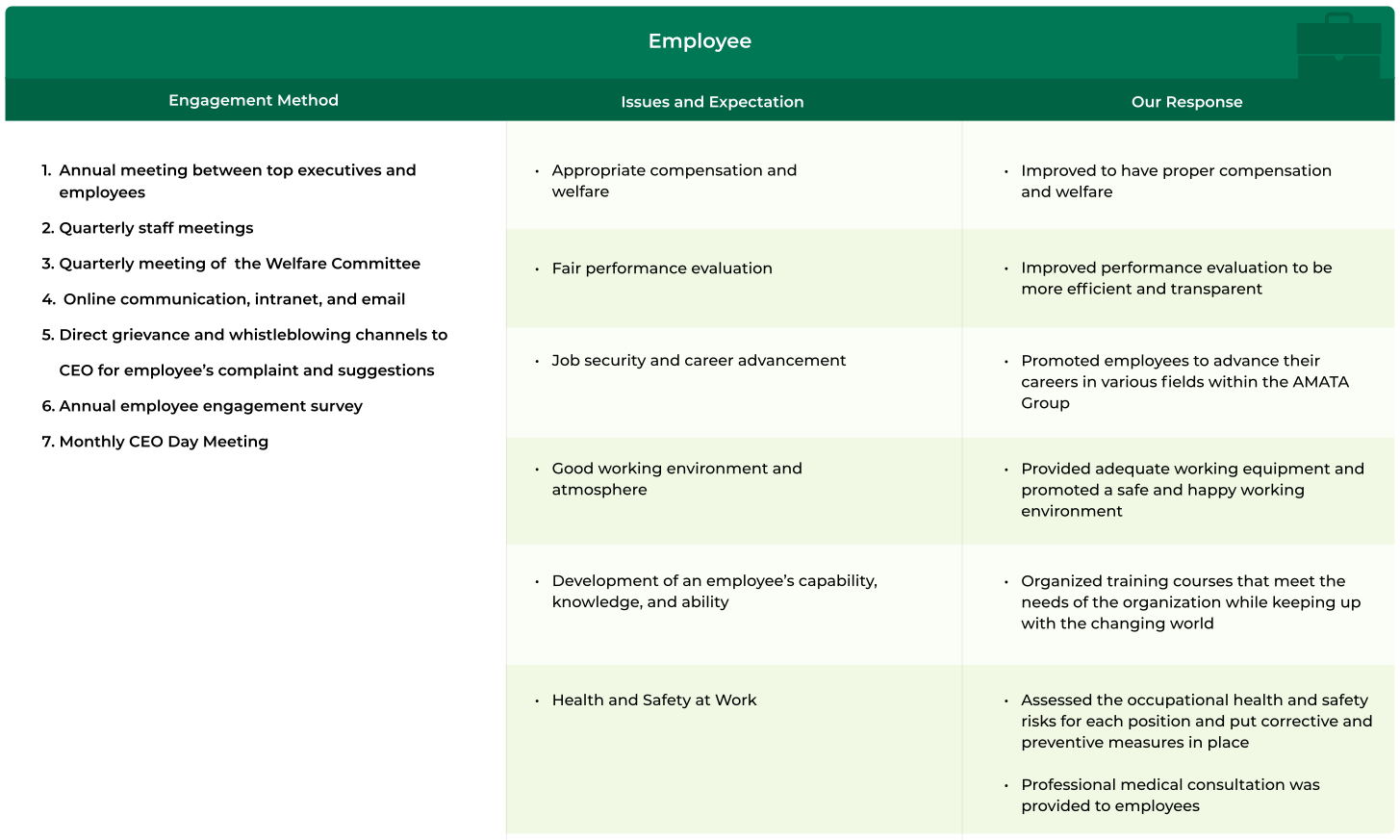
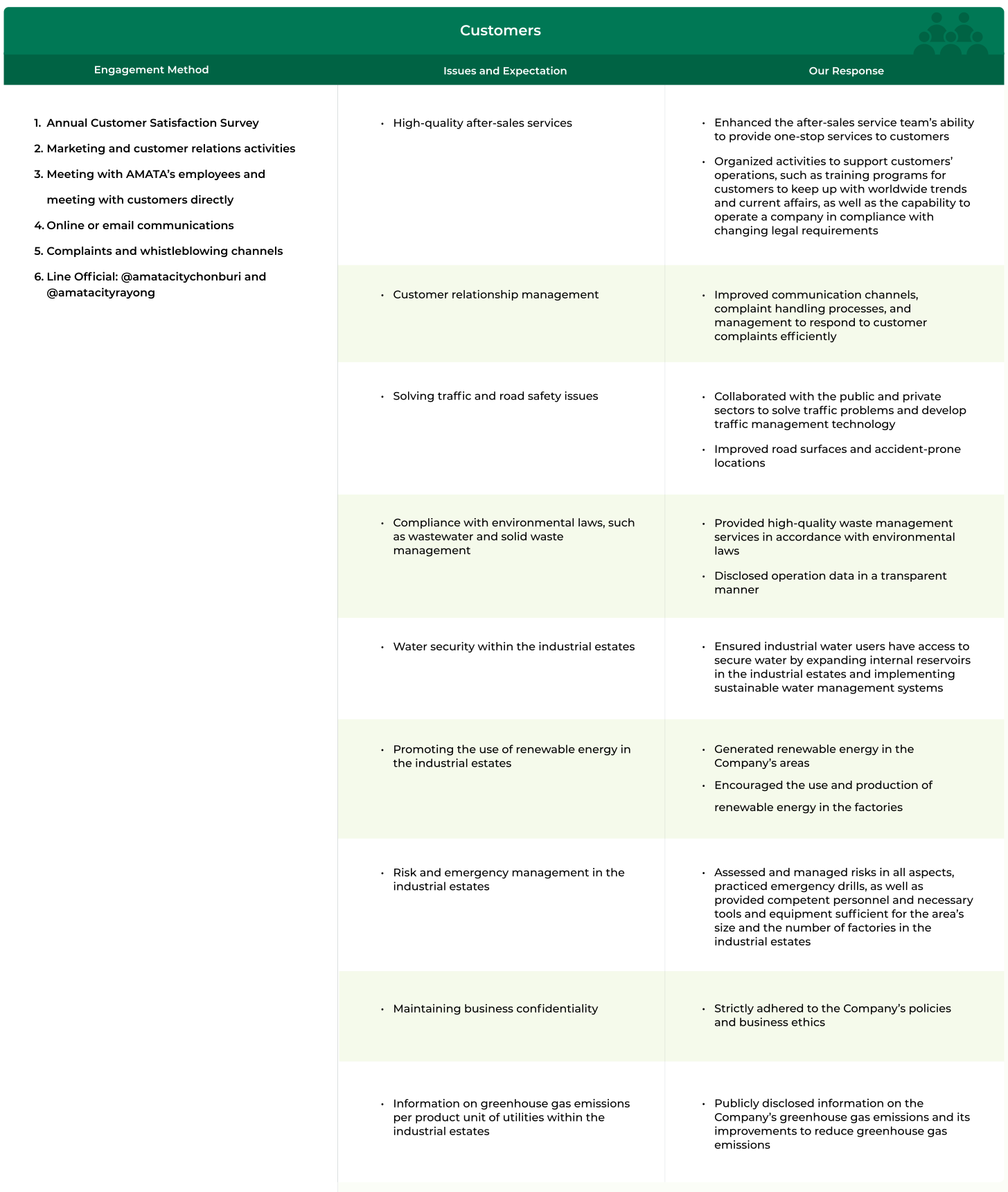
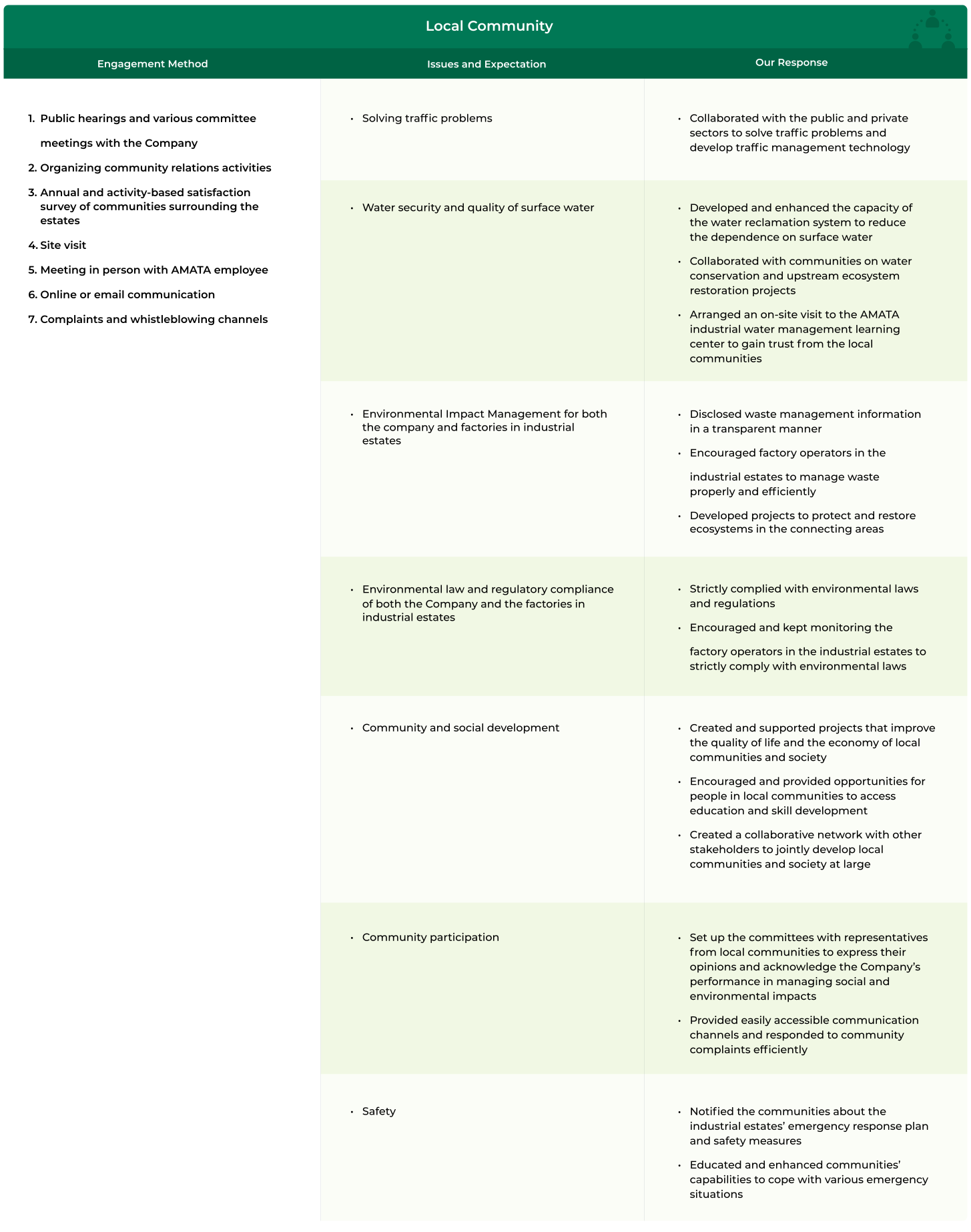
The purpose of this stakeholder engagement is to identify and assess the positive and negative impacts that each stakeholder group has experienced, or may experience, as a result of the Company’s business activities across the economic, social, and environmental dimensions. This includes both actual and potential impacts, as well as human rights-related issues. The process also enables the Company to understand stakeholders’ expectations, needs, and concerns through a variety of channels and methods at least annually, in order to obtain comprehensive information that appropriately reflects stakeholder perspectives.
The Company uses information and feedback obtained through stakeholder engagement to analyze and prioritize material topics, taking into consideration both the significance of impacts on stakeholders and the significance of such matters to the Company’s business. The Company also places importance on responsiveness to significant issues and concerns by establishing appropriate measures and management approaches, and by integrating these matters into relevant strategies, plans, and operational processes.
All stakeholder engagement processes are conducted under the oversight of AMATA’s Sustainable Development Committee to ensure that the Company’s actions are carried out effectively and transparently, create long-term value for stakeholder groups in a balanced manner, and contribute to the Company’s overall sustainable development.
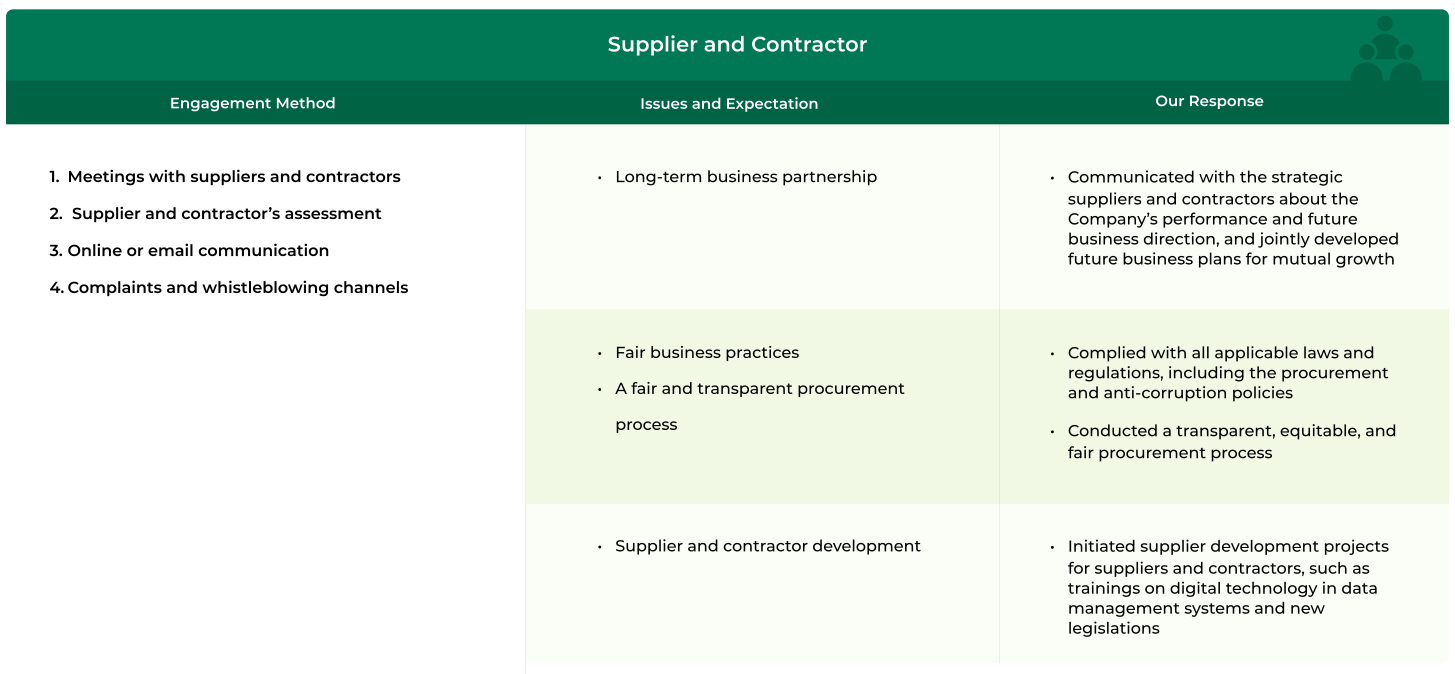
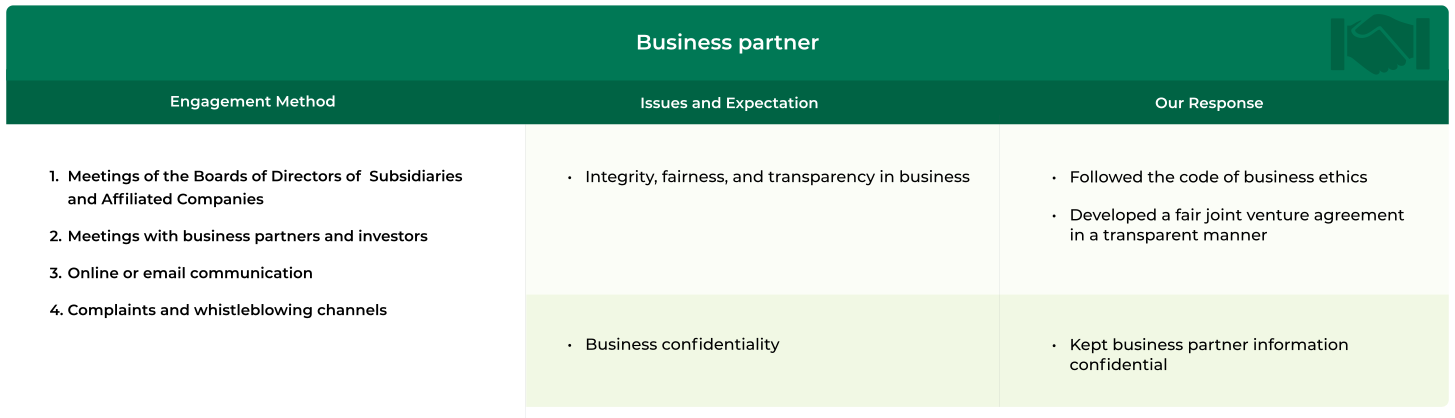
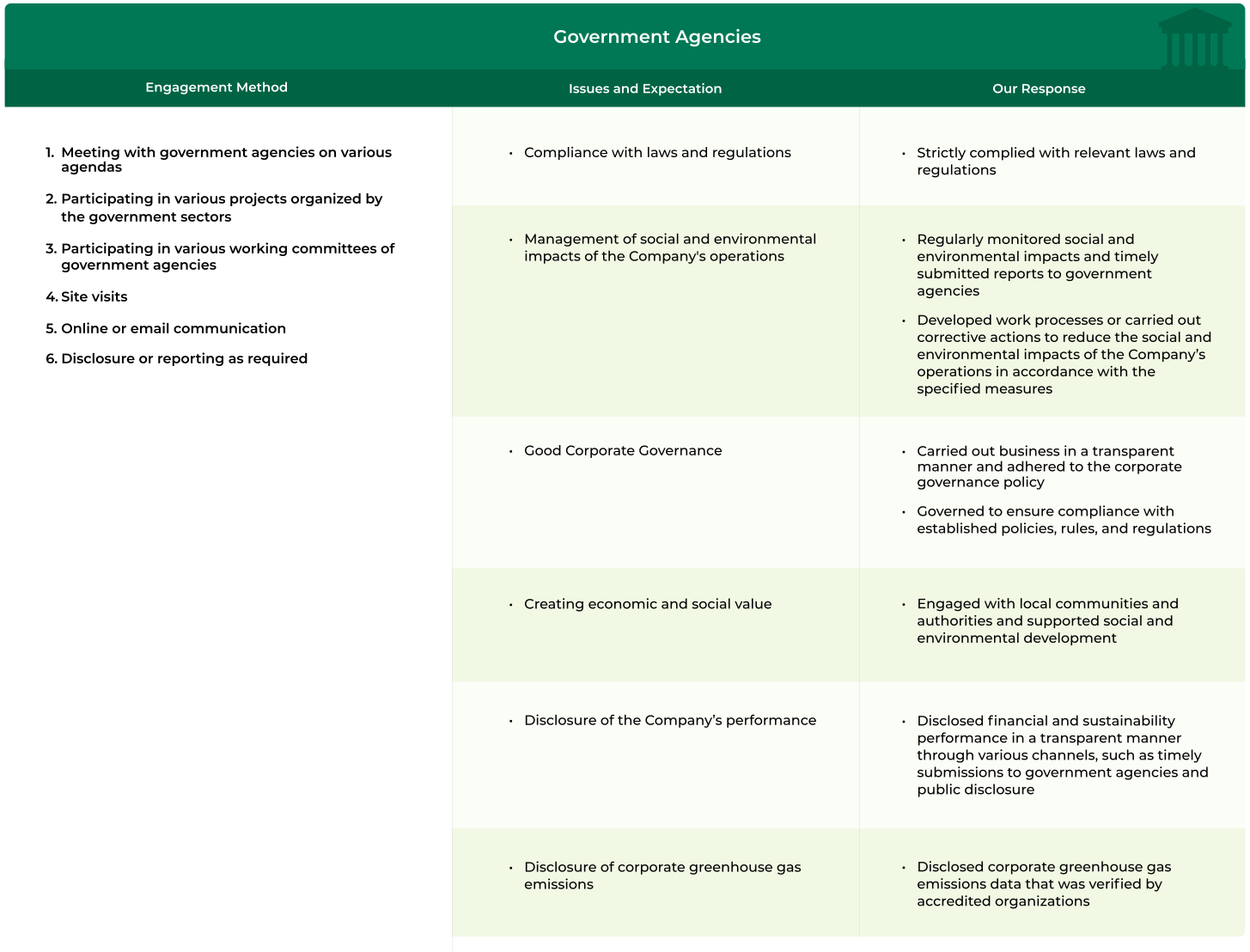
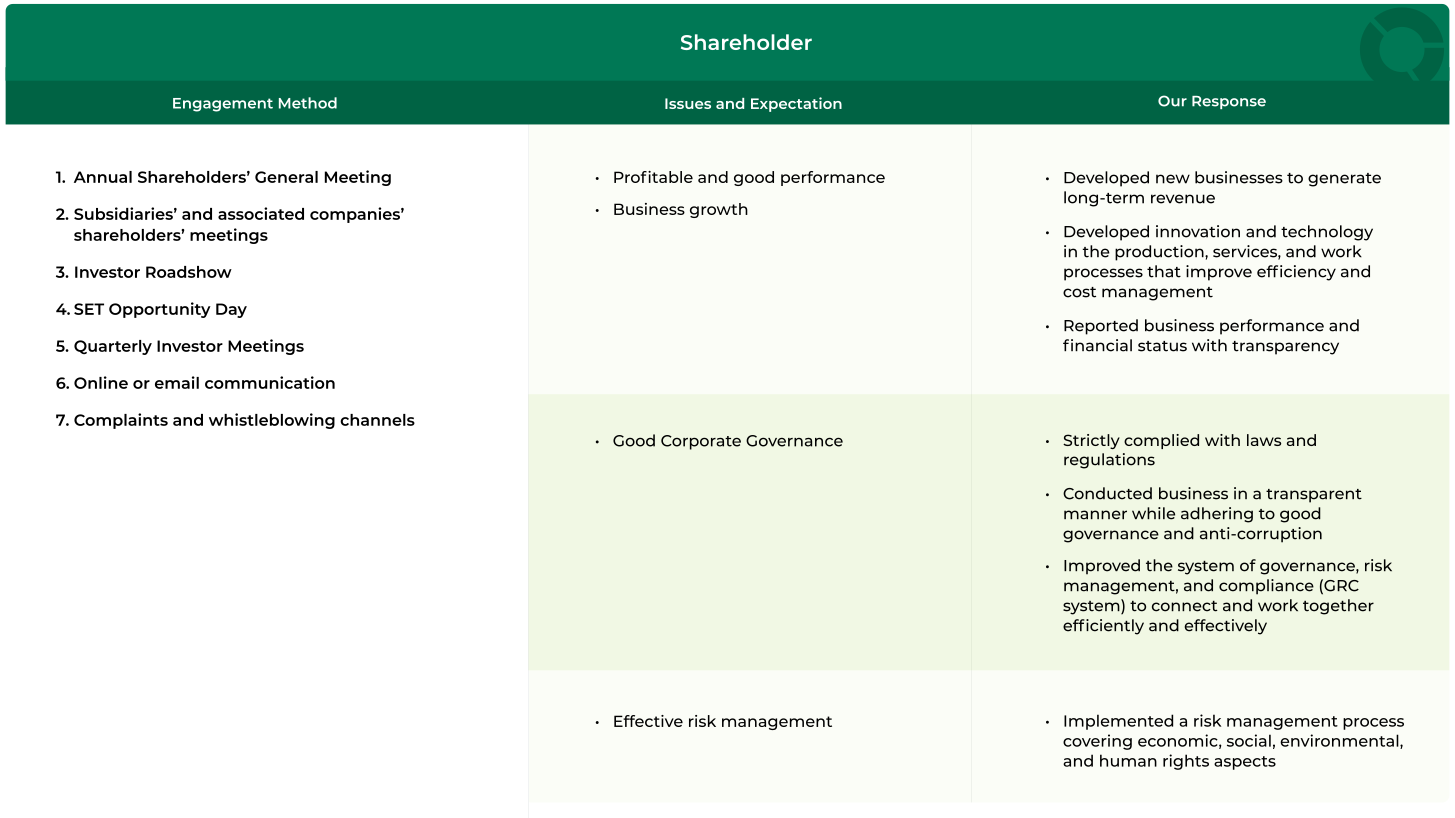
For the year 2025, details of the Company’s stakeholder engagement, relationship-building efforts, and ongoing initiatives are outlined as follows:
Stakeholder Engagement & Performance

Start
Building the Future
with AMATA
Contact us for more details.
(+66) 38 939 007
(+84) 251 3991 007 (South)
(+84) 203 3567 007 (North)
(+95) 1 230 5627
(+856) 21 810007
(+856) 20 5710007 (Chinese)
(+856) 20 57550007 (English)
© AMATA CORPORATION PCL. All rights reserved.  Web by Toneyes